Key Takeaways:
- Roll tops can enhance training by simulating natural obstacles.
- They offer versatility in course design and can be customized for various training goals.
- Proper construction and maintenance are essential for safety and durability.
Equestrian training and competitions rely on a variety of jump types designed to test both the horse’s agility and the rider’s control. Among these, certain styles stand out for their unique shape and ability to build a horse’s confidence. These jumps not only challenge technical skill but also play an essential role in developing rhythm, balance, and coordination for both horse and rider.
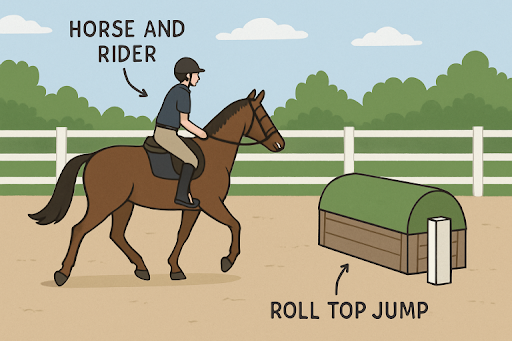
One of the most common and versatile styles used in both schooling and shows is the roll top horse jumps. With their curved design and smooth surface, they help horses become comfortable with rounded, solid-looking obstacles. This type of jump is ideal for introducing young horses to more complex courses while maintaining a sense of safety and approachability during training sessions.
Enhancing Training with Natural Simulations
Integrating natural simulations into horse training is crucial for competition readiness. Roll tops, which mimic real obstacles, help horses adjust to various outdoor conditions. This experience enhances their decision-making and jumping skills, allowing them to handle surprises more effectively. For riders and trainers, roll tops bridge the gap between the familiar arena and the unpredictable nature of real courses.
Versatility in Course Design
Roll tops are incredibly versatile in training environments, enabling trainers to design courses tailored to different skill levels, from beginners to advanced jumpers. Their flexibility allows for customizing jump layouts to focus on particular training objectives, such as refining takeoff techniques or increasing jump height. By modifying the arrangement or size of roll tops, trainers can consistently challenge horses and riders, fostering continuous skill growth.
Customization for Specific Training Goals
Customizing roll tops based on training goals allows trainers to adjust their size and appearance to match the horse’s developmental stage and confidence level. Using bright colors and unique designs can help desensitize horses to unfamiliar shapes ahead of competitions. For horses new to jumping or those recovering from injury, starting with smaller, softer roll tops and gradually increasing their complexity helps build trust and confidence, thereby reducing the likelihood of refusals during training.
Safety Considerations in Roll Top Construction
Integrating roll tops into a training program requires careful attention to safety. Proper construction with smooth, impact-absorbing materials, securely anchored frameworks, and rounded edges can prevent accidents and minimize risks during both training and competition. Routine inspections are a must; even high-quality jumps can develop issues with consistent use, including splintering or instability. Ignoring maintenance may expose riders and horses to unnecessary danger, so a culture of regular, detailed inspection is essential.
Innovative Materials and Designs
Innovative roll-top materials, such as lightweight, weather-resistant aluminum and synthetic blends, enhance safety and make handling and maintenance easier than traditional wooden structures. The use of recycled materials and eco-friendly manufacturing practices is increasingly popular in the horse industry, demonstrating a commitment to horse welfare and sustainability. These developments not only boost safety but also provide durability against various weather conditions, helping create a safer and more enjoyable training environment.
Incorporating Roll Tops into Daily Training
For optimal training, incorporate roll tops into daily routines, adjusting their heights and combining them with various jumps to ready horses for competition. Riders use roll tops to modify stride lengths and improve jumping technique, making training more dynamic and educational. Instructors might include roll tops in gymnastic line exercises or use them as separate challenges, helping horses build the strength, agility, and confidence needed for competition.
Conclusion
Roll tops are highly versatile and valuable tools in any equestrian training setup. They effectively mimic natural obstacles, allow flexible course design, and support tailored, progressive learning. Prioritizing safety, utilizing advanced materials, and incorporating roll tops into regular training routines help develop confident, well-rounded horses that are prepared for contemporary competition.